



Posts by: Patrick van Dun

The immediate effect of atlanto-axial high velocity thrust techniques on blood flow in the vertebral artery: A randomized controlled trial

   |   By  |  0 Comments

High velocity thrust (HVT) cervical techniques have been associated with serious vertebral artery (VA) trauma. Despite numerous studies, the nature of this association is uncertain. Previous studies have failed to demonstrate haemodynamic effects on the VA in simulated pre-thrust positions. No study has investigated haemodynamic affects during or immediately following HVT, nor sufficiently controlled for the influence of the thrust. The objectives of this study were to investigate the immediate effects of HVT of the atlanto-axial joint upon haemodynamics in the sub-occipital portion of the vertebral artery (VA3) … ABSTRACT

Postoperative Singultus: An Osteopathic Approach

   |   By  |  0 Comments

Singultus, or hiccups, is a common medical condition. Despite exponential leaps in medicine, the pathophysiologic cause remains poorly defined. Persistent singultus has been associated with conditions such as pulmonary embolism and myocardial infarction. Singultus is also a well-known postoperative complication. The authors report a case of a man whose postoperative singultus was successfully managed with osteopathic manipulative treatment. This approach addresses many of the possible underlying neuromechanical causes of the aberrant reflex with minimal potential for adverse effects. Physicians should consider osteopathic manipulative treatment in the care of patients with singultus … ABSTRACT

Chronic Inflammatory Disease and Osteopathy: A Systematic Review

   |   By  |  0 Comments

Chronic inflammatory diseases (CID) are globally highly prevalent and characterized by severe pathological medical conditions. Several trials were conducted aiming at measuring the effects of manipulative therapies on patients affected by CID. The purpose of this review was to explore the extent to which osteopathic manipulative treatment (OMT) can be benefi-cial in medical conditions also classified as CID … MORE

A Unifying Neuro-Fasciagenic Model of Somatic Dysfunction – underlying mechanisms and treatment -PART II

   |   By  |  0 Comments

This paper offers an extensive review of the main fascia-mediated mechanisms underlying various therapeutic processes of clinical relevance for manual therapy. The concept of somatic dysfunction is revisited in light of the several fascial influences that may come into play during and after manual treatment. A change in perspective is thus proposed: from a nociceptive model that for decades has viewed somatic dysfunction as a neurologically-mediated phenomenon, to a unifying neuro-fascial model that integrates neural influences into a multifactorial and multidimensional interpretation of manual therapeutic effects as being partially, if not entirely, mediated by the fascia. By taking into consideration a wide spectrum of fascia-related factors – from cell-based mechanisms to cognitive and behavioural influences – a model emerges suggesting, amongst other results, a multidisciplinary-approach to the intervention of somatic dysfunction … ABSTRACT

Learning environment, preparedness and satisfaction in osteopathy in Europe: The PreSS study

   |   By  |  0 Comments

Osteopathy in Europe has different standards for osteopathic education, training and practice, which widely vary per country. Due to an increasing number of patients and osteopaths moving around Europe to live, work and study, an effective regulation is needed to deliver high standards of osteopathic care.
The objective of this study was 1) to assess the preparedness to practice and satisfaction in learning environment amongst  new graduates from European osteopathic institutions; 2) to compare the results of preparedness to practice and satisfaction in learning environment between and within countries where osteopathy is recognized and where it is not recognized; 3) to identify any correlation between learning environment and preparedness to practice.


Affective Touch Congress

   |   By  |  0 Comments

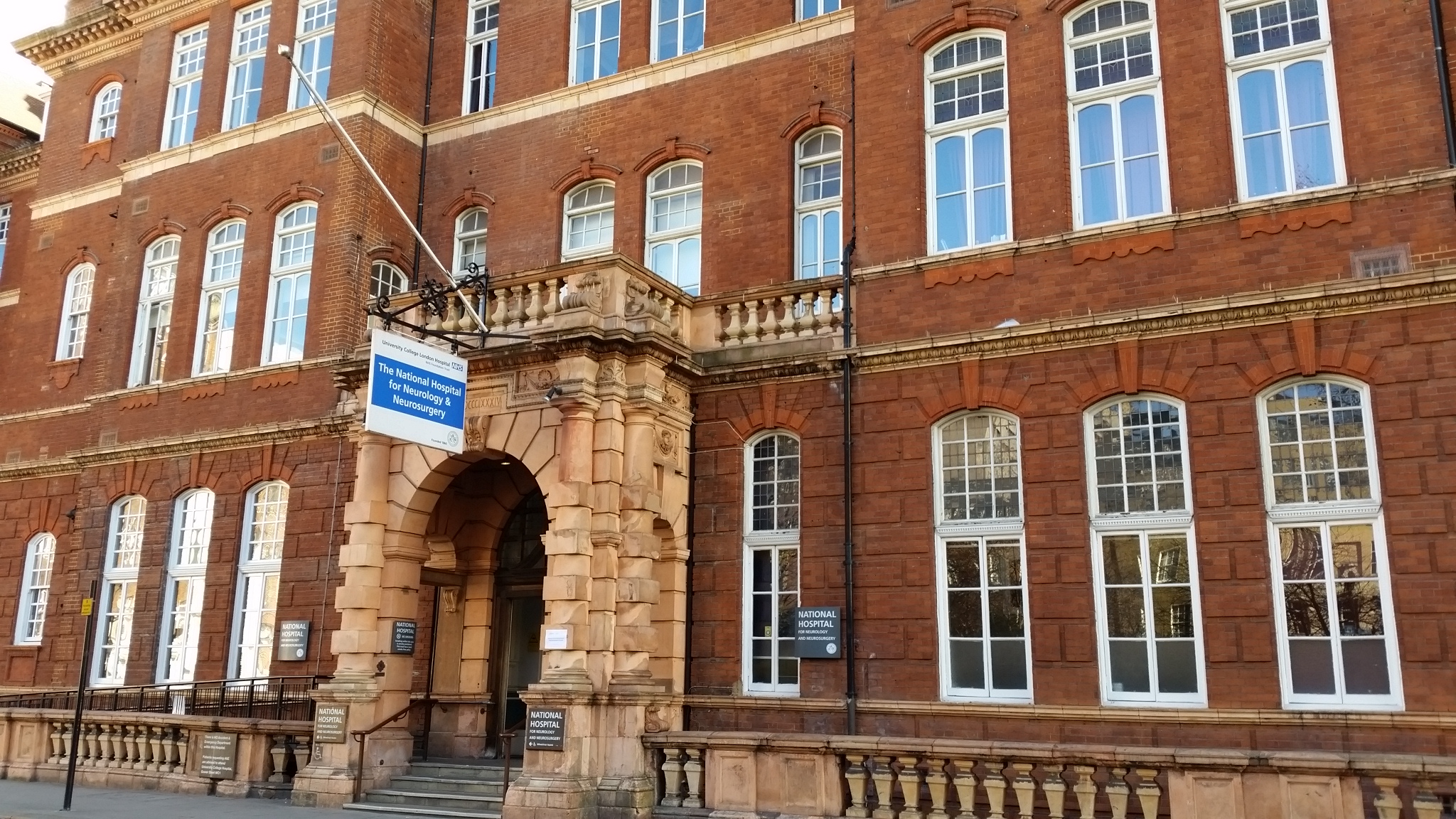
The International Association for the Study of Affective Touch: Inaugural Congress,  University College London, 20-22 March 2015
COME will be presenting at the IASAT a paper entitled “Could affective touch be therapeutic? A manual medicine perspective.” Authors: Cerritelli F and Esteves J.

© 2026 Foundation COME Collaboration. All Rights Reserved